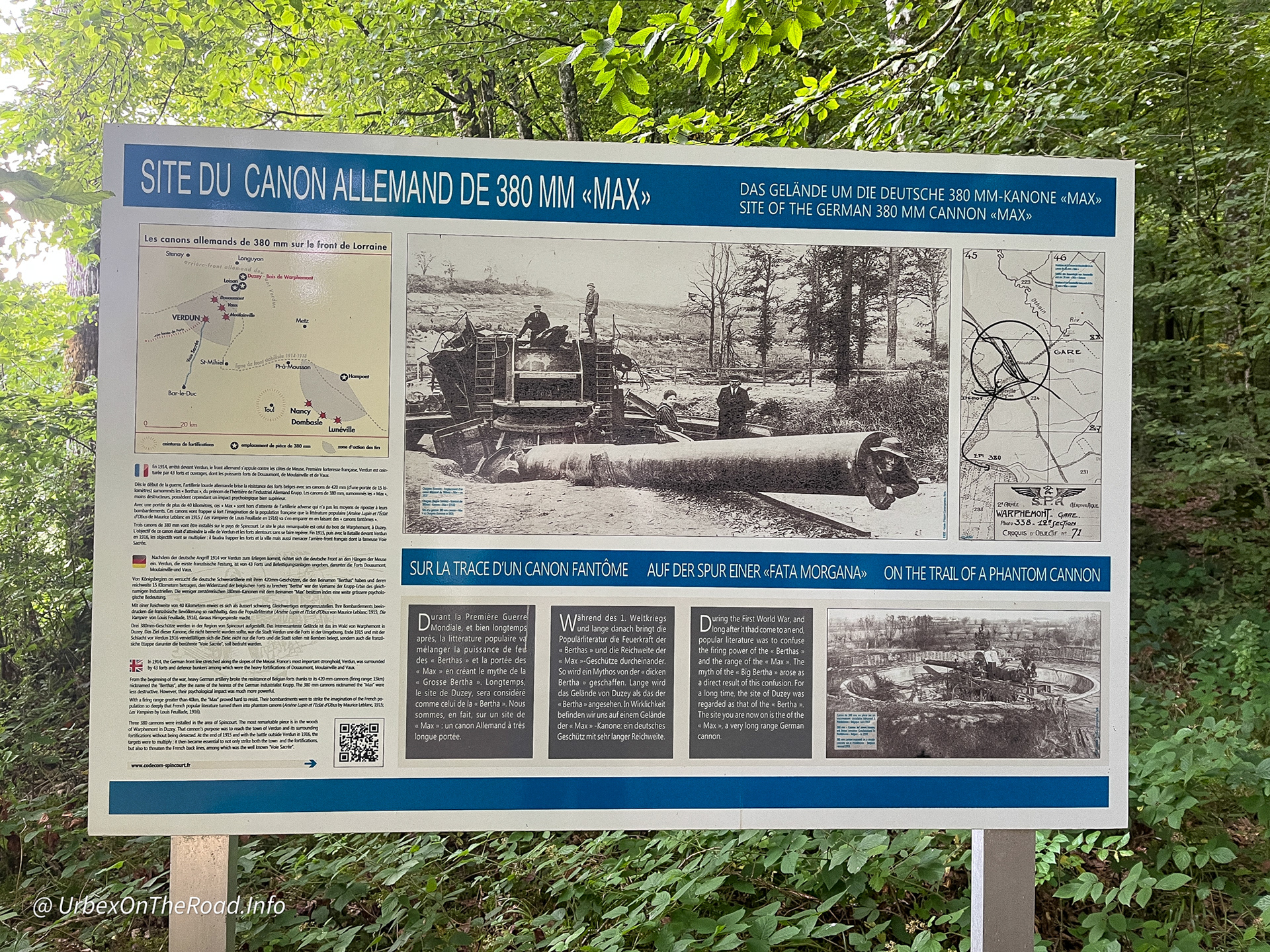
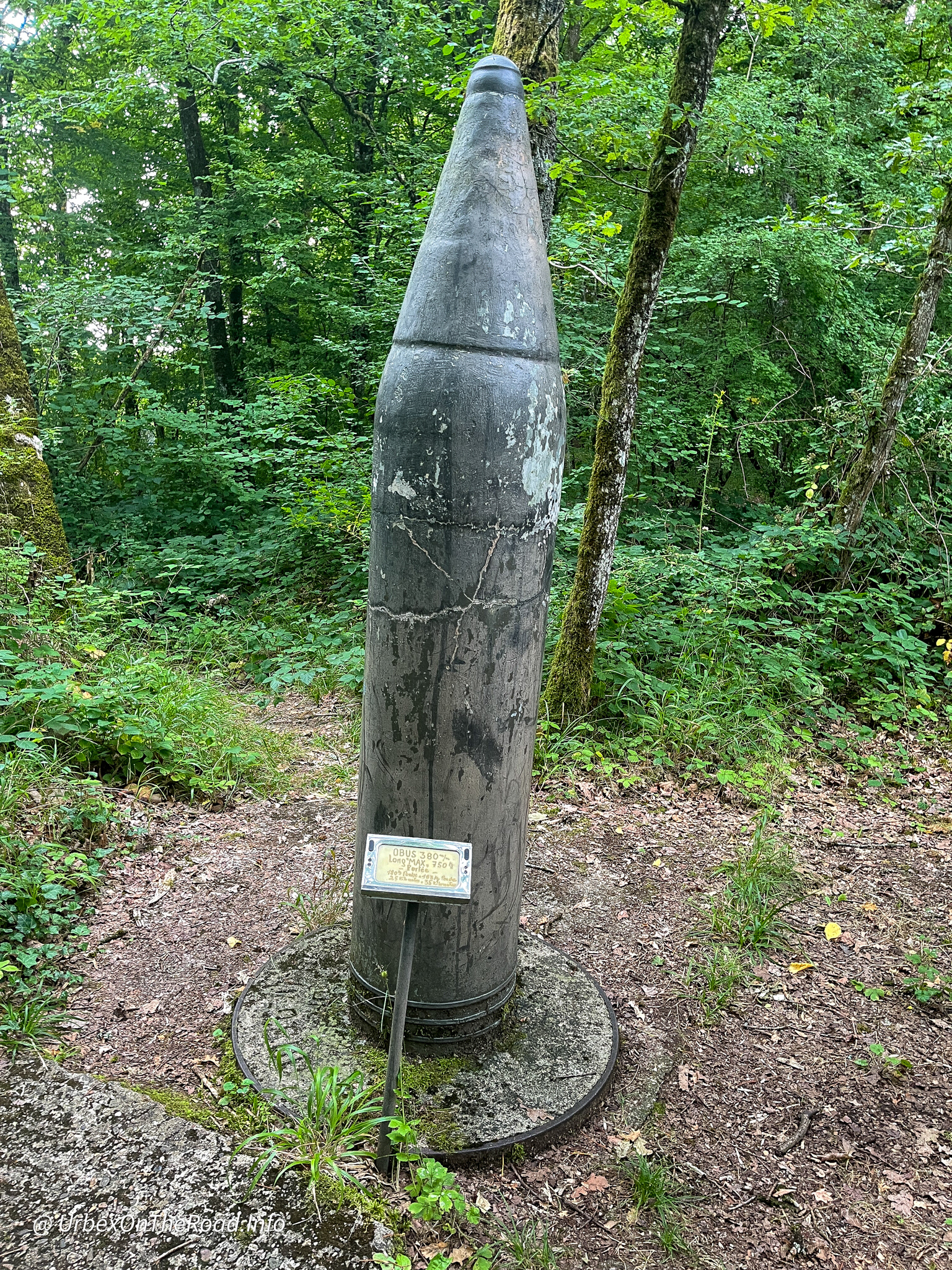
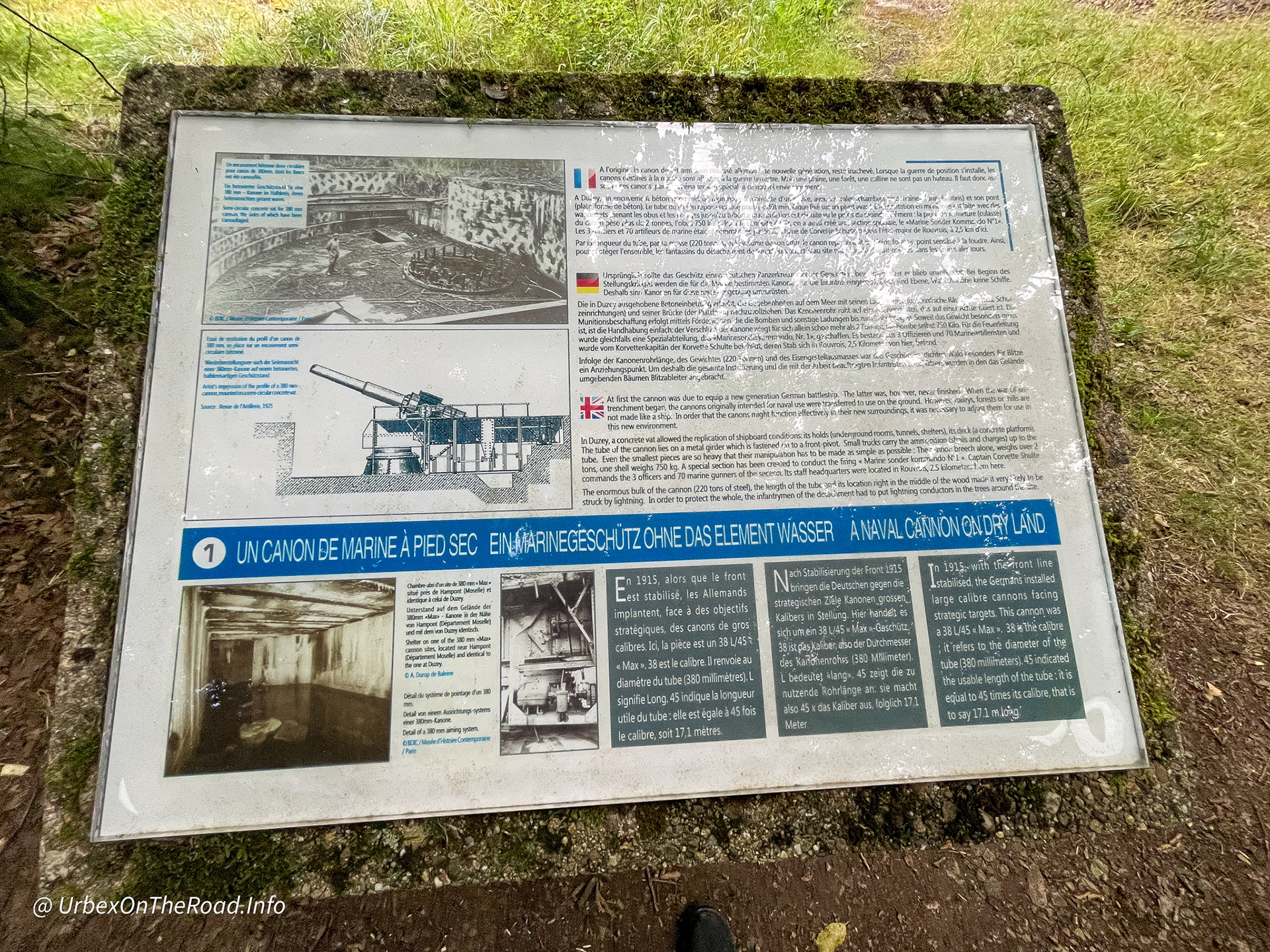
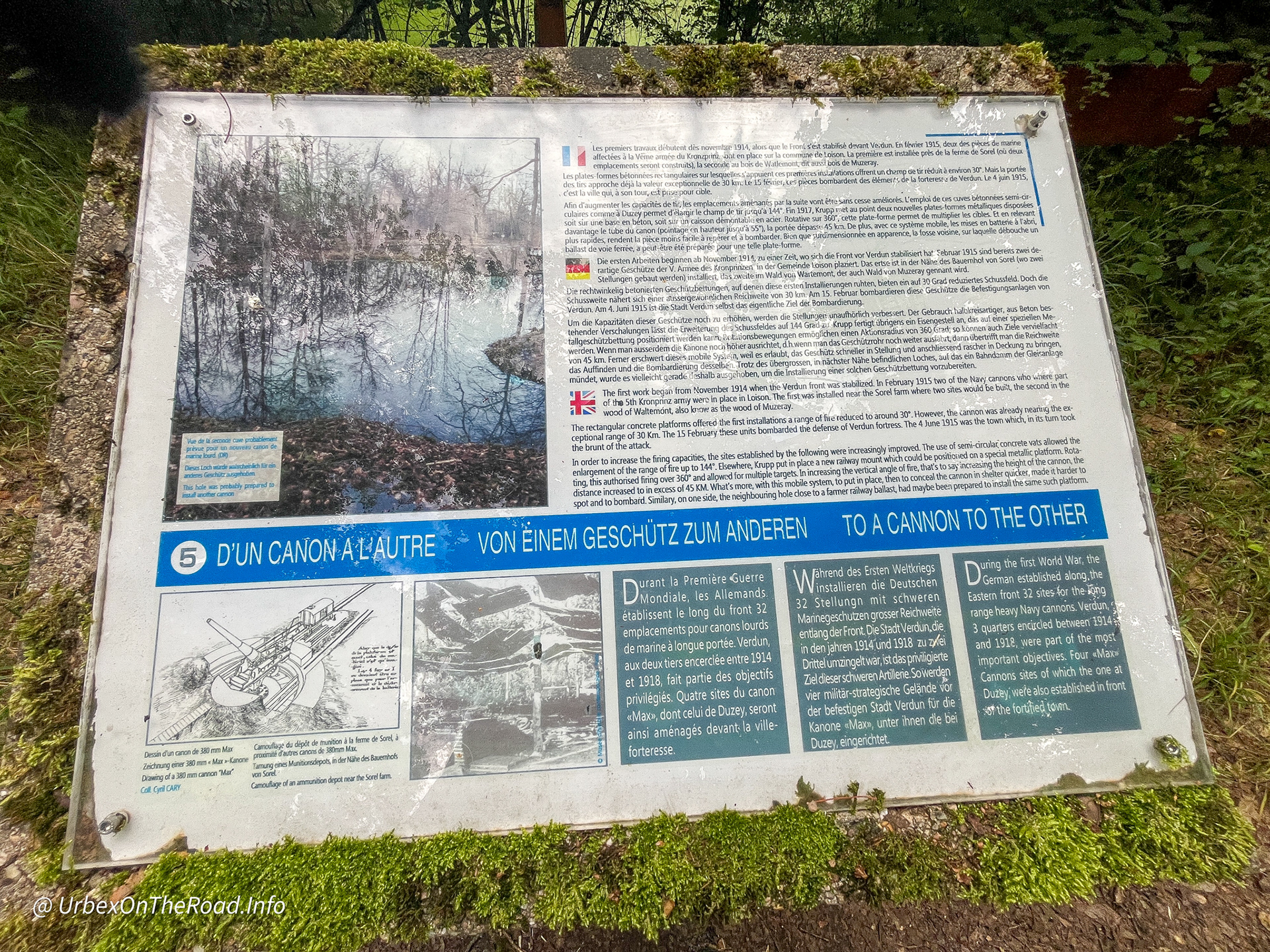
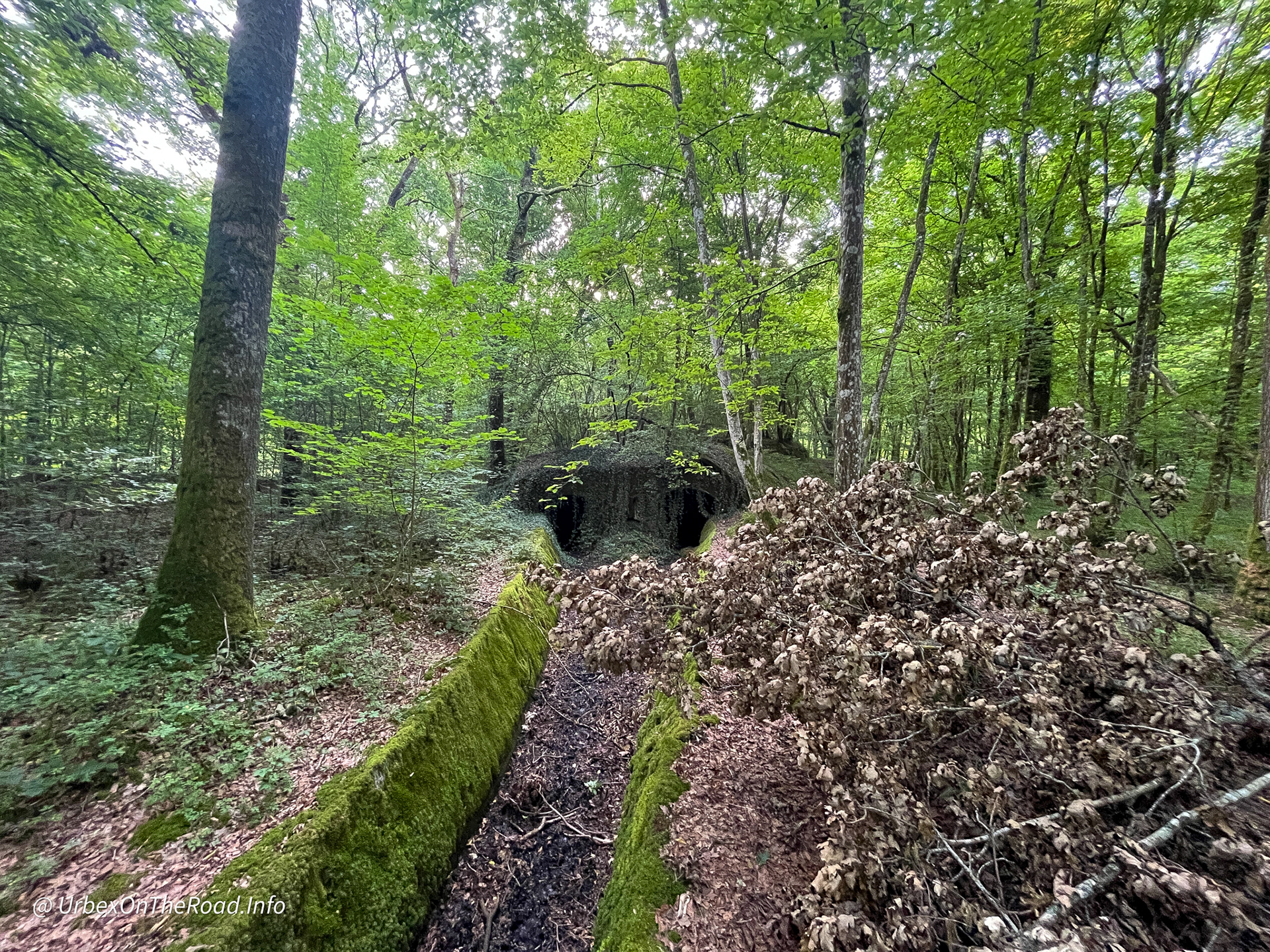
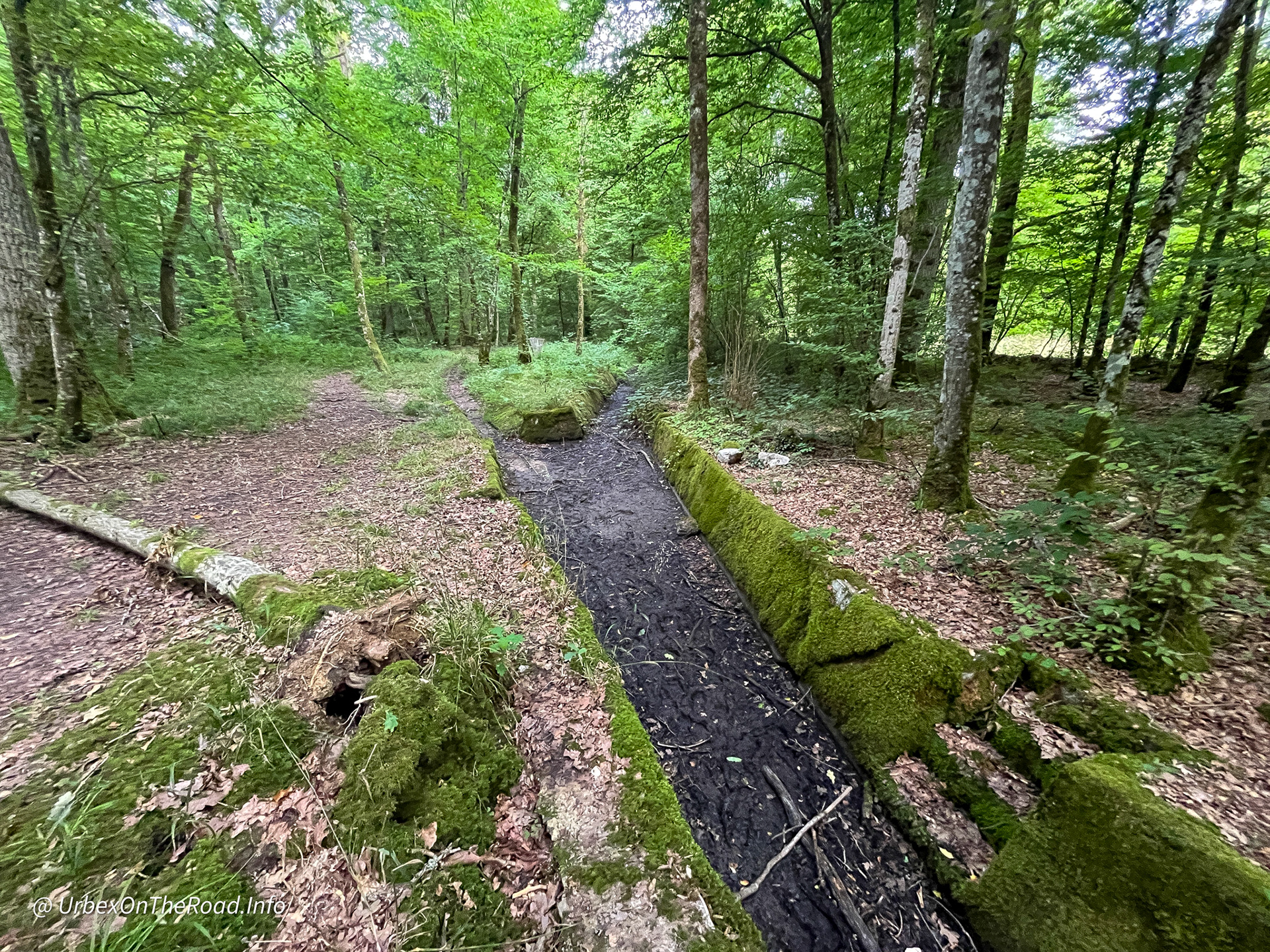
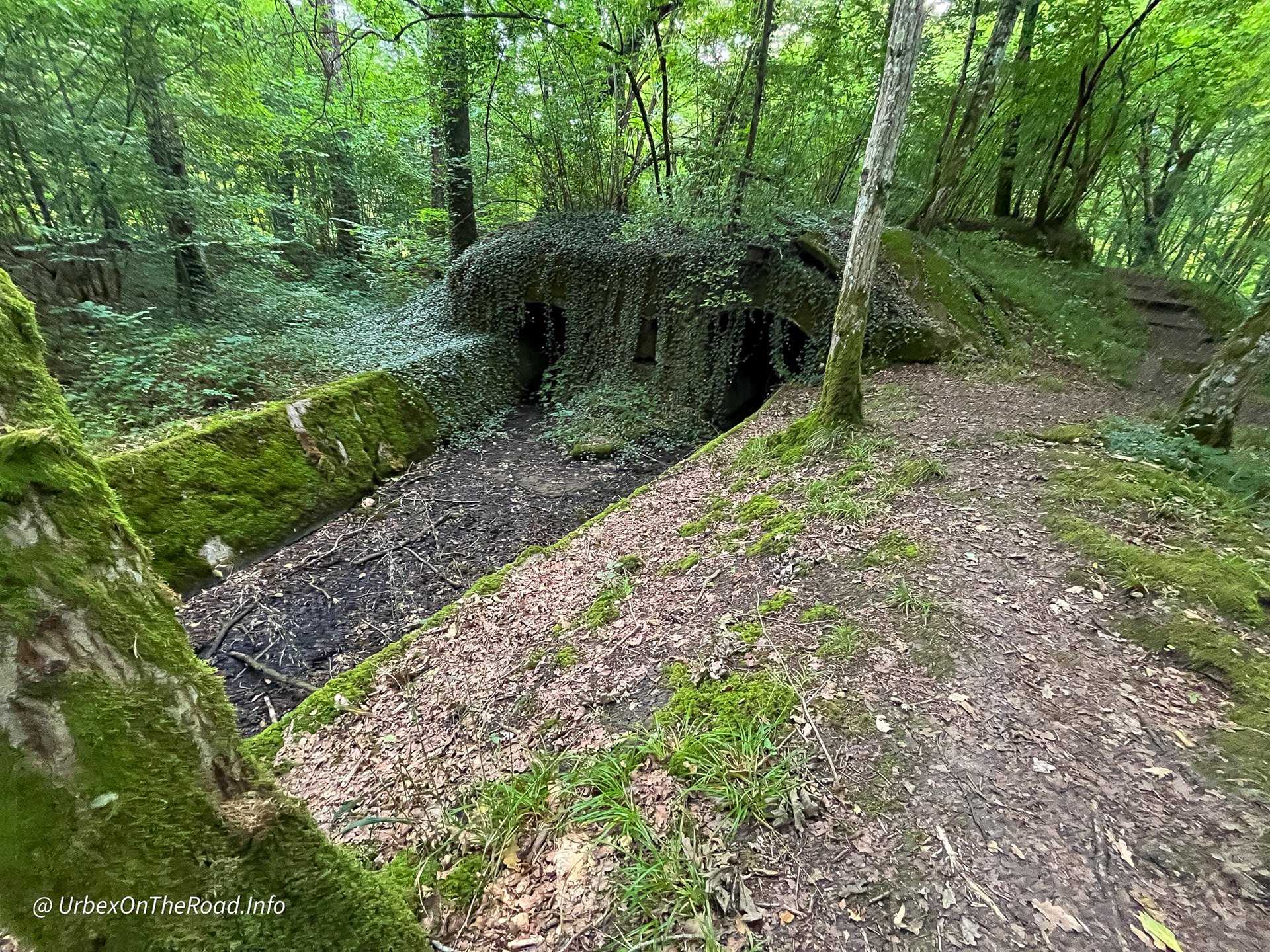
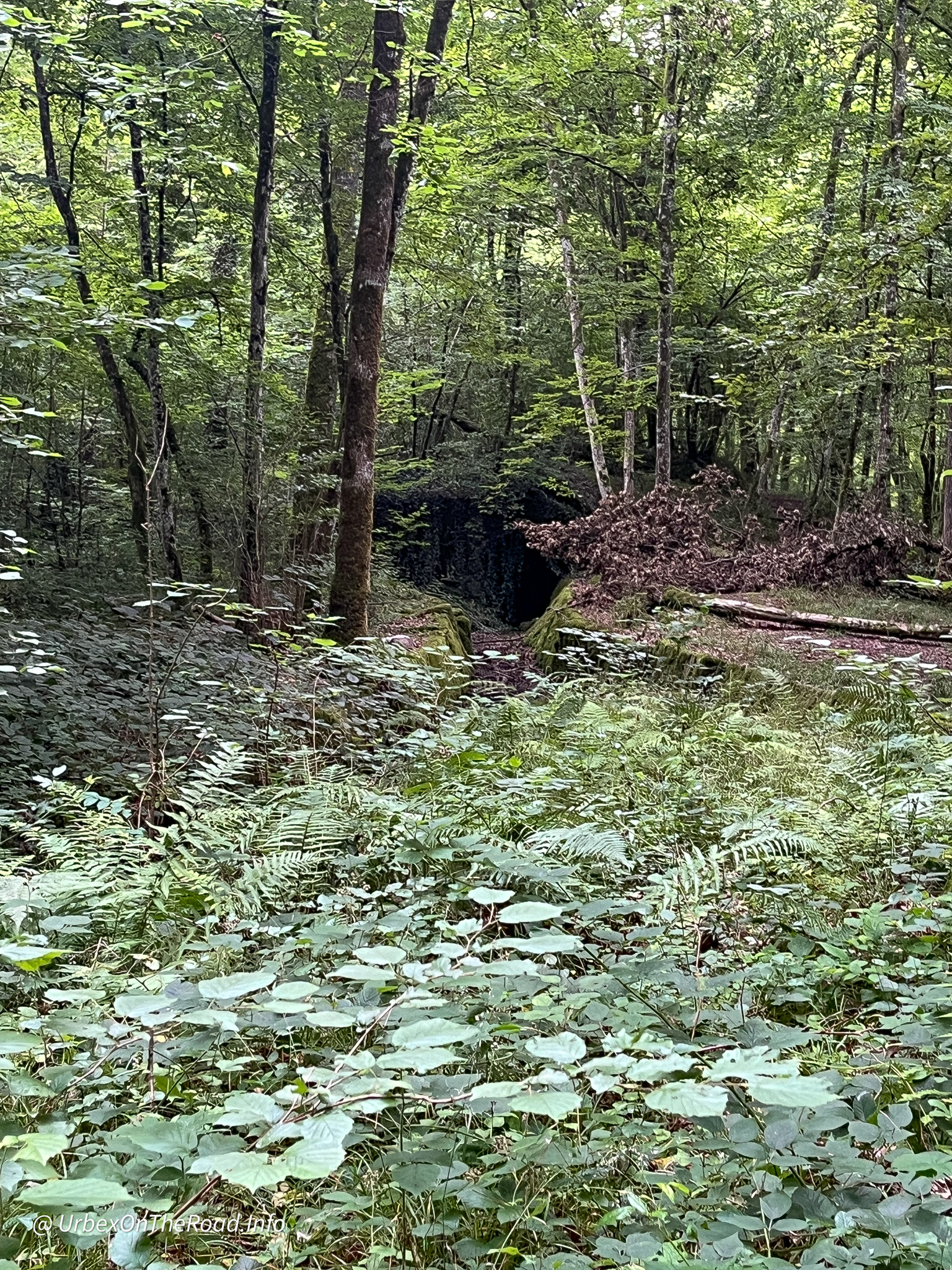
🇳🇱 Nederlands : Tijdens de Eerste Wereldoorlog bouwden de Duitsers hier een zware artilleriestelling. Het oorspronkelijke geschut was de 38 cm SK L/45, vervaardigd door Krupp en oorspronkelijk ontworpen als scheepsgeschut. De batterij werd in 1915 operationeel en kon vanuit Duzey doelen rond Verdun beschieten.
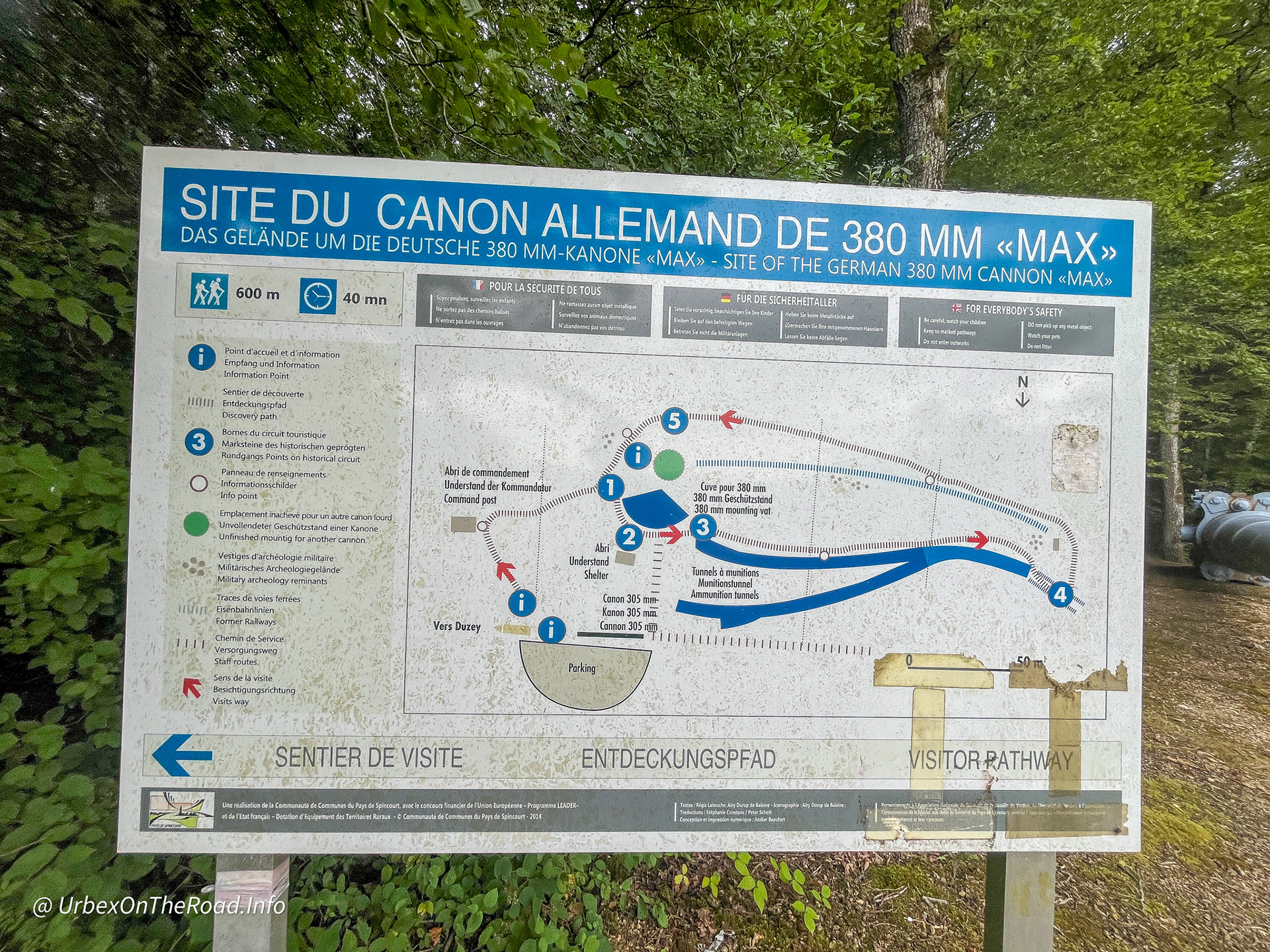
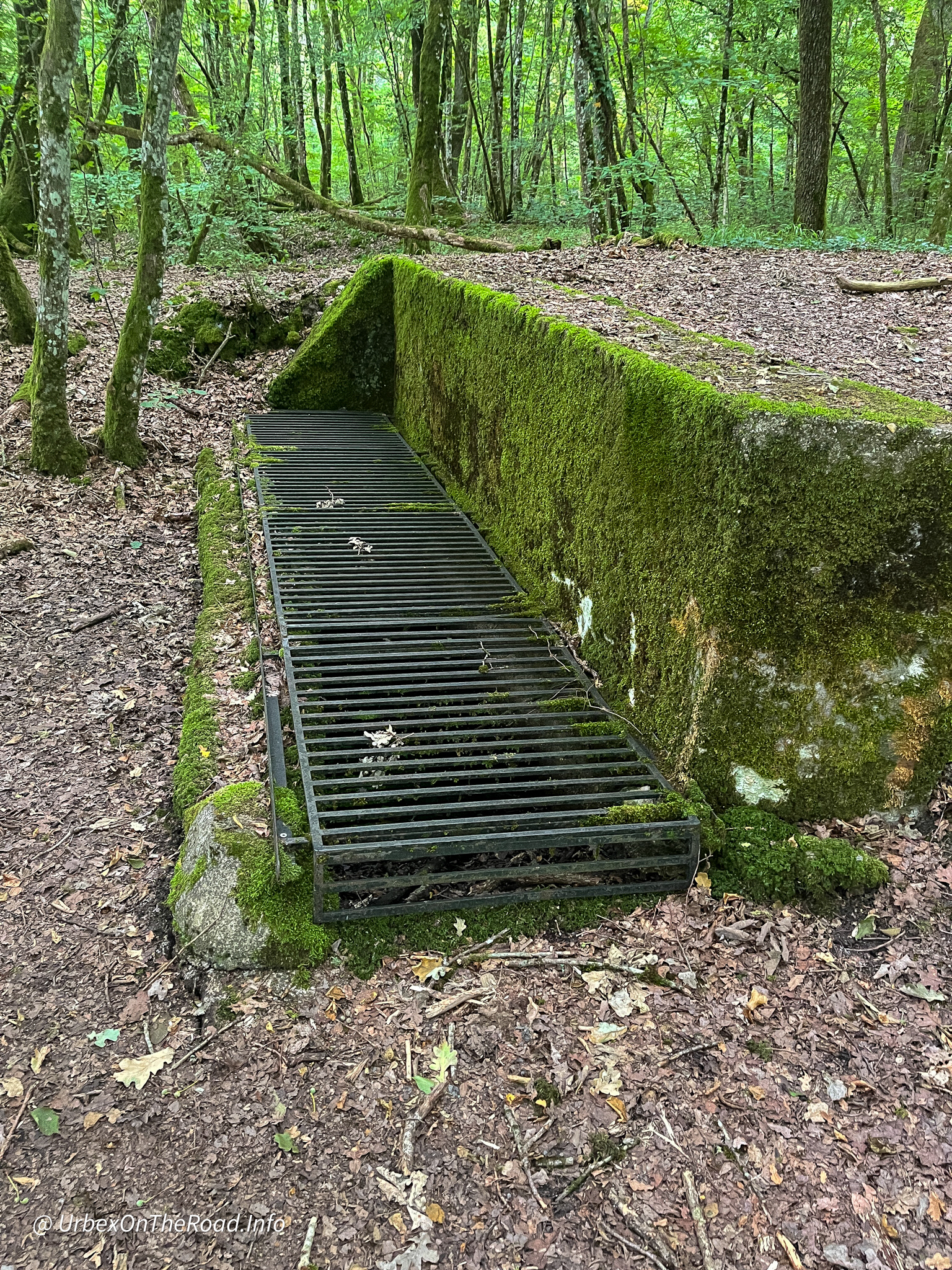
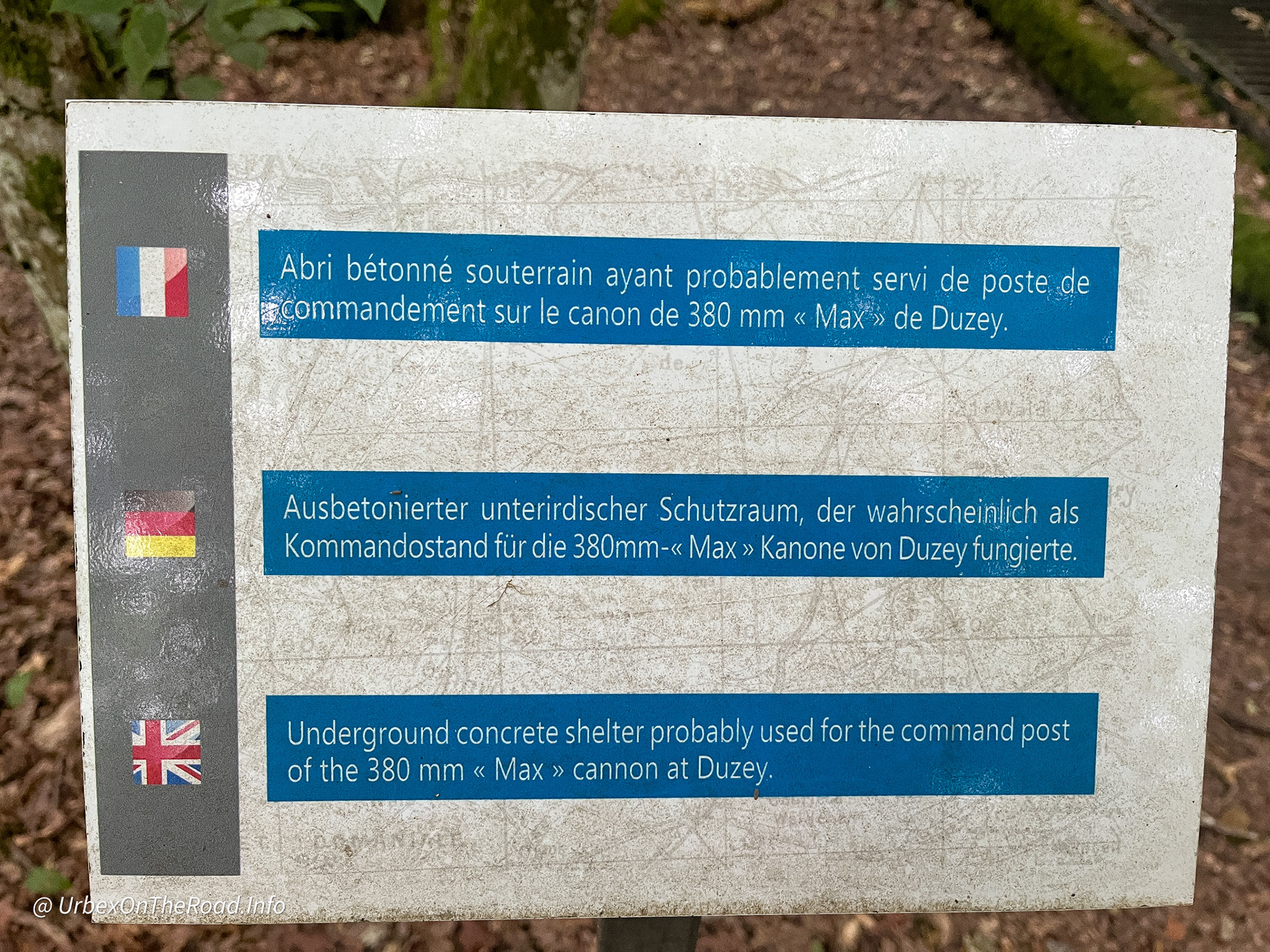
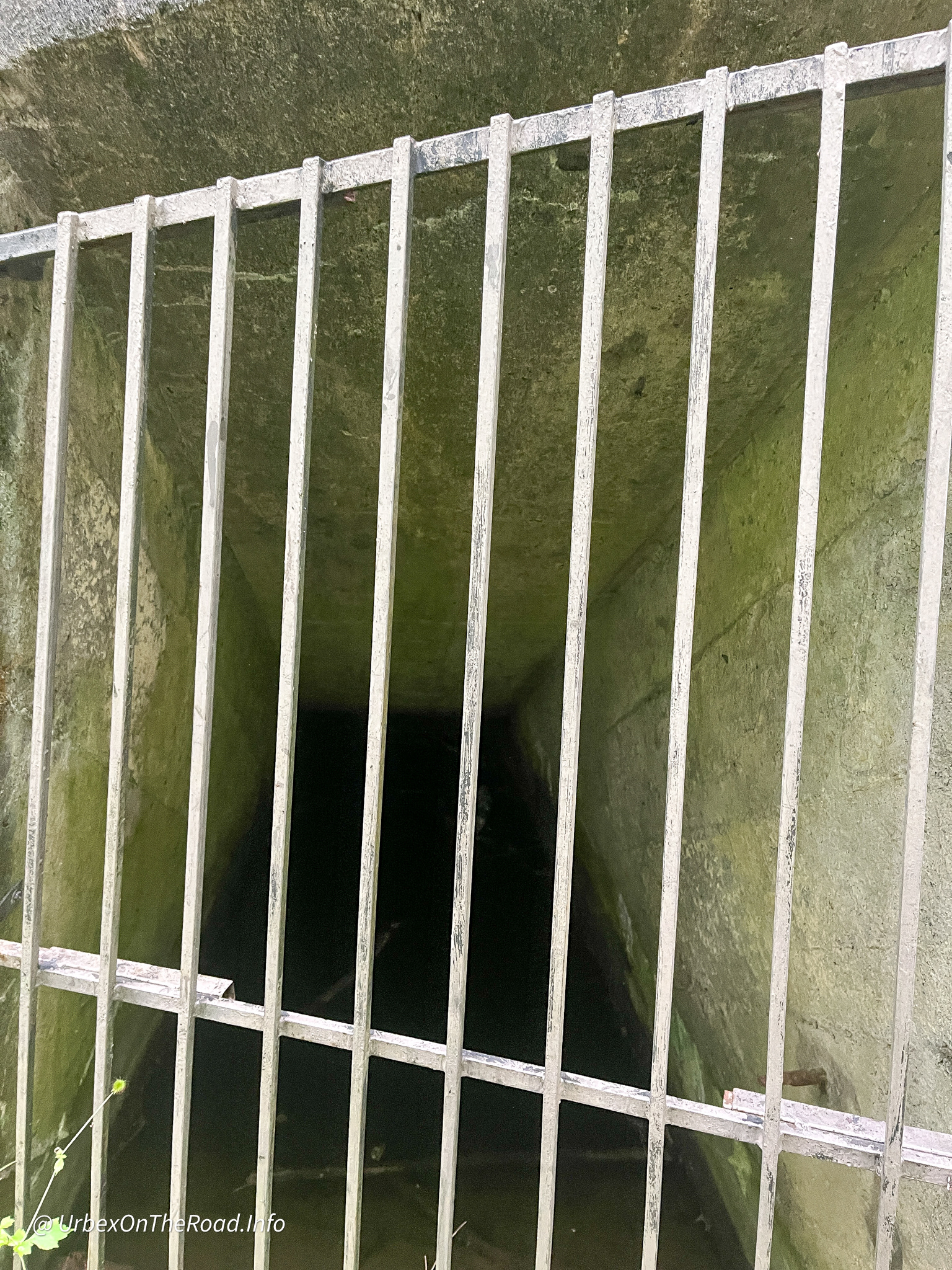
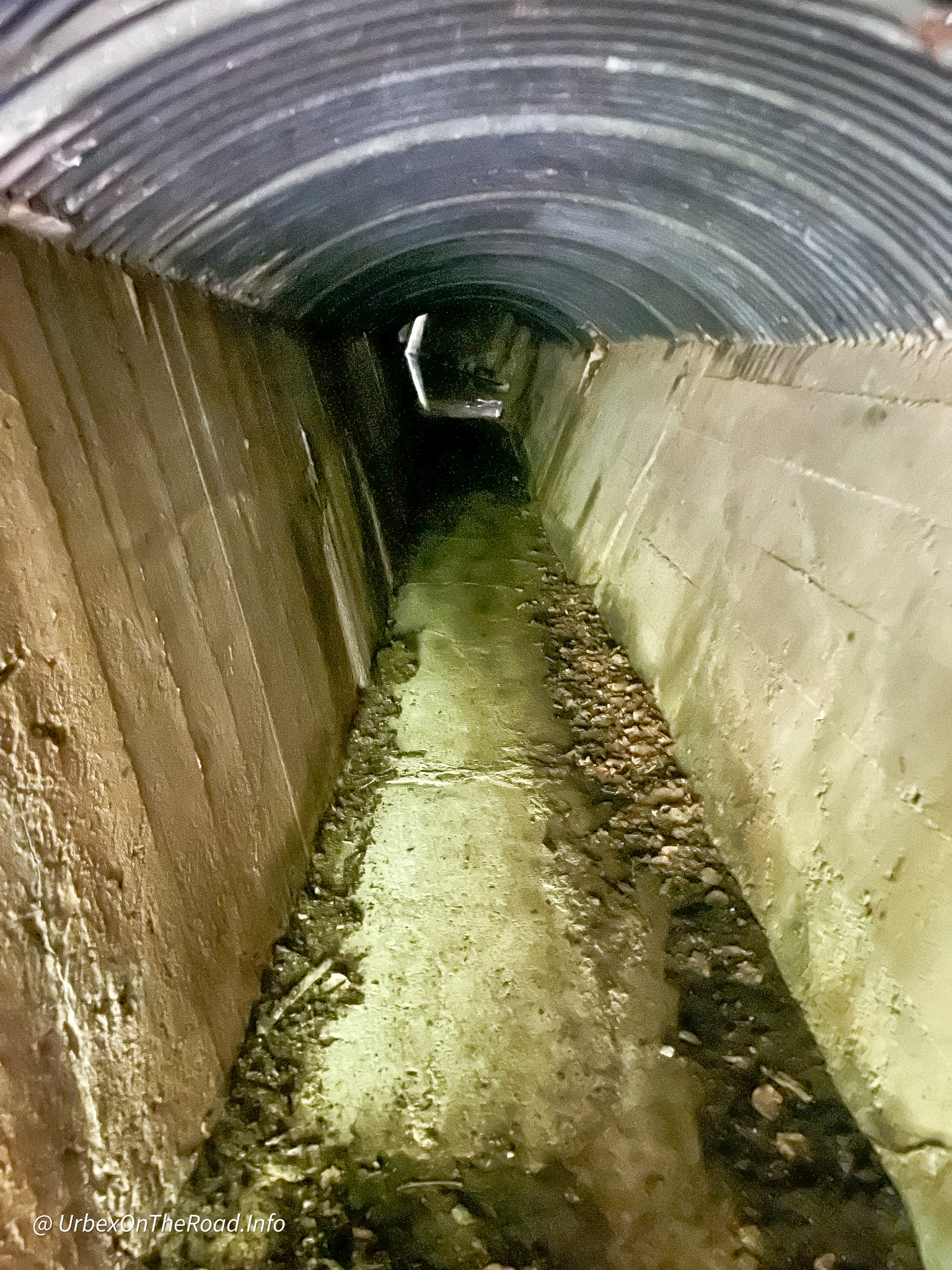
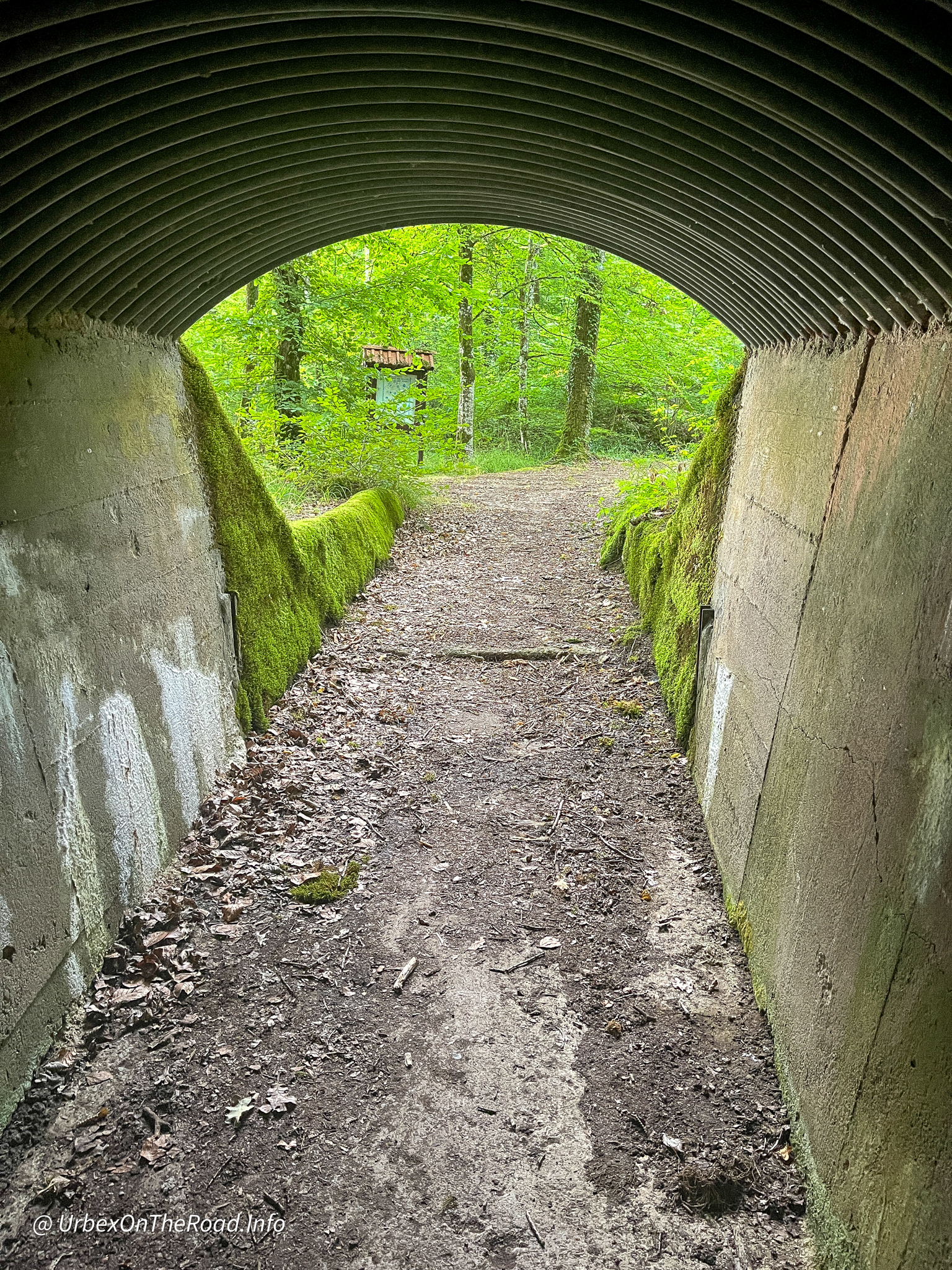
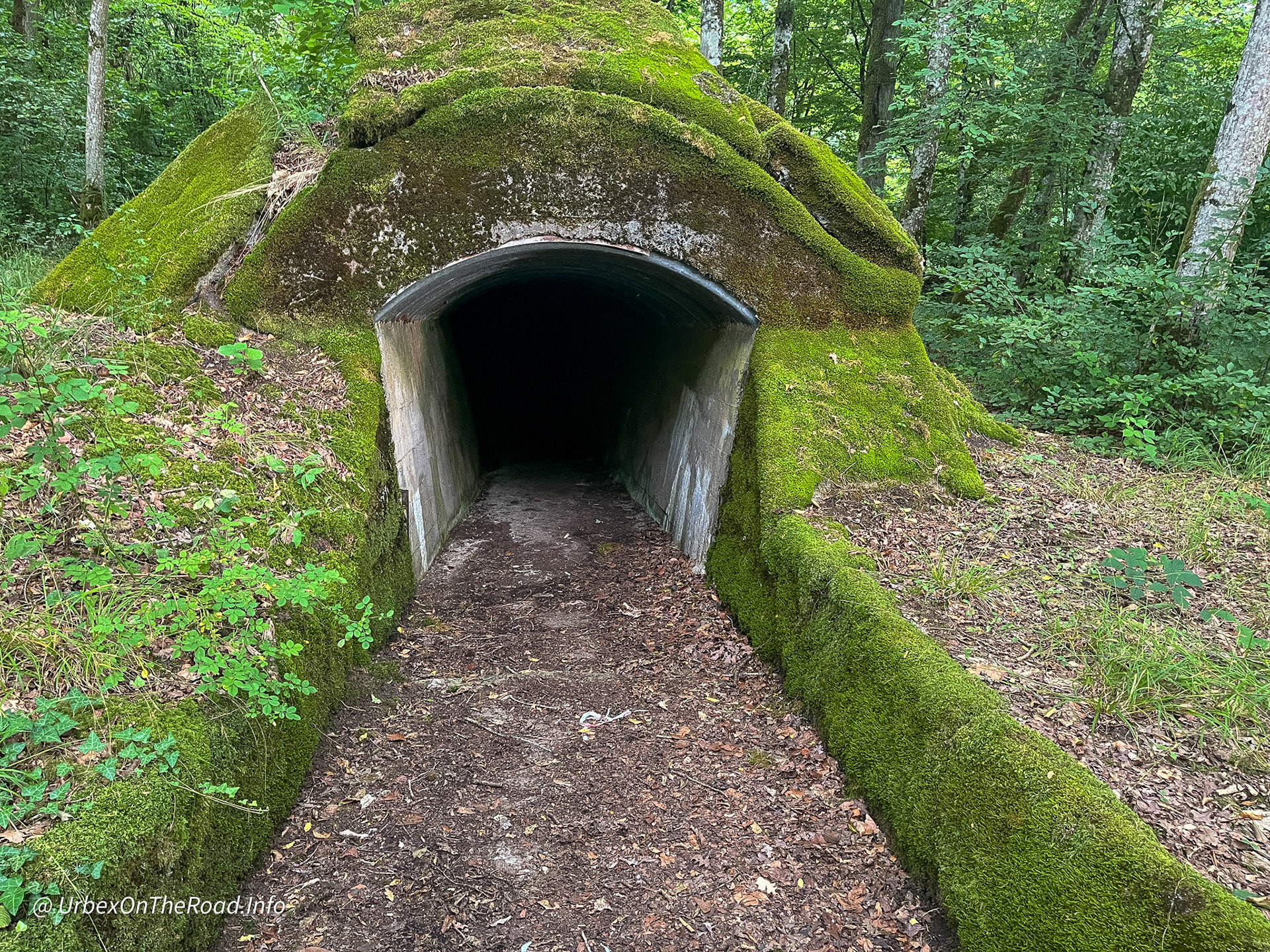
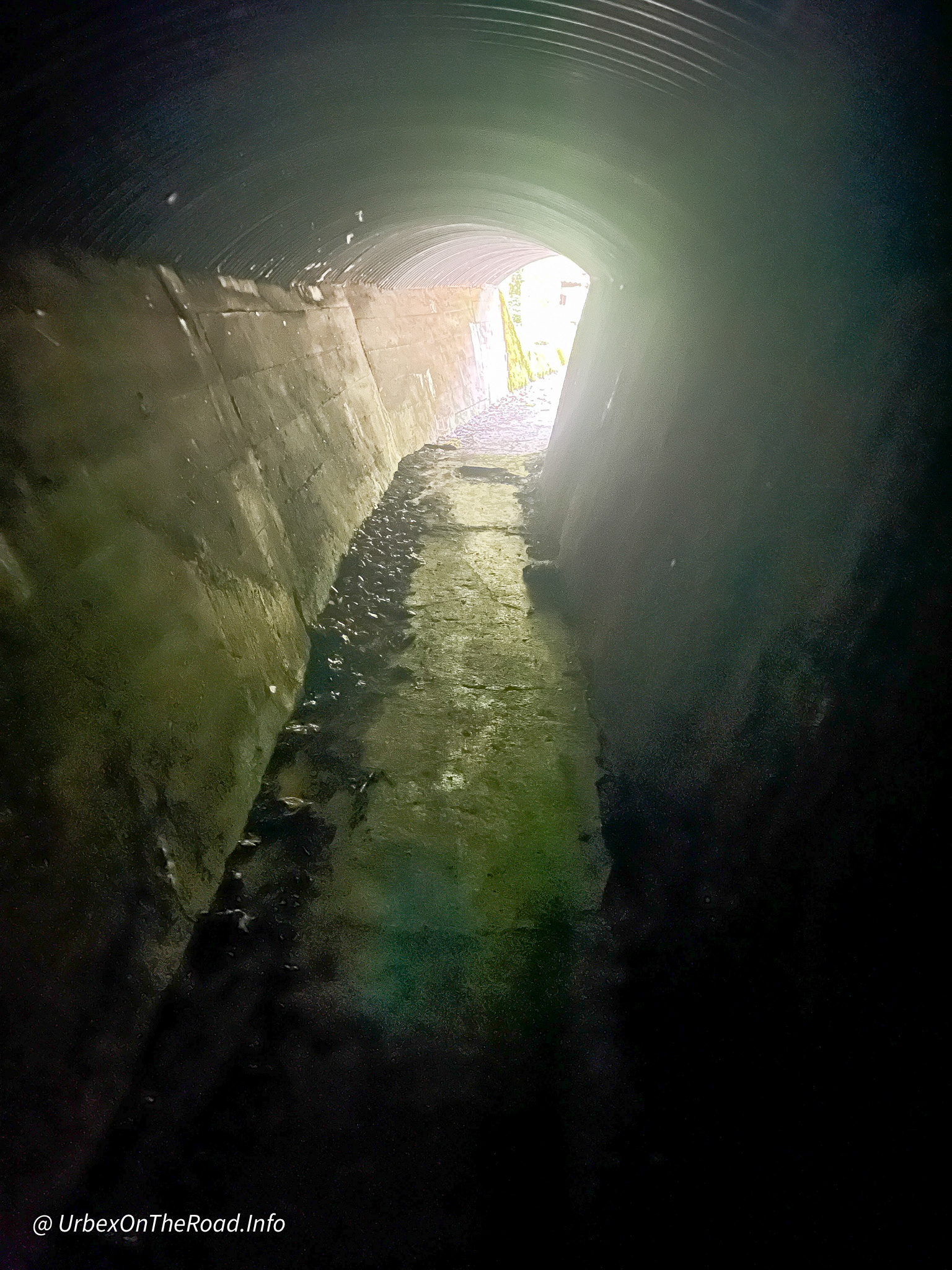
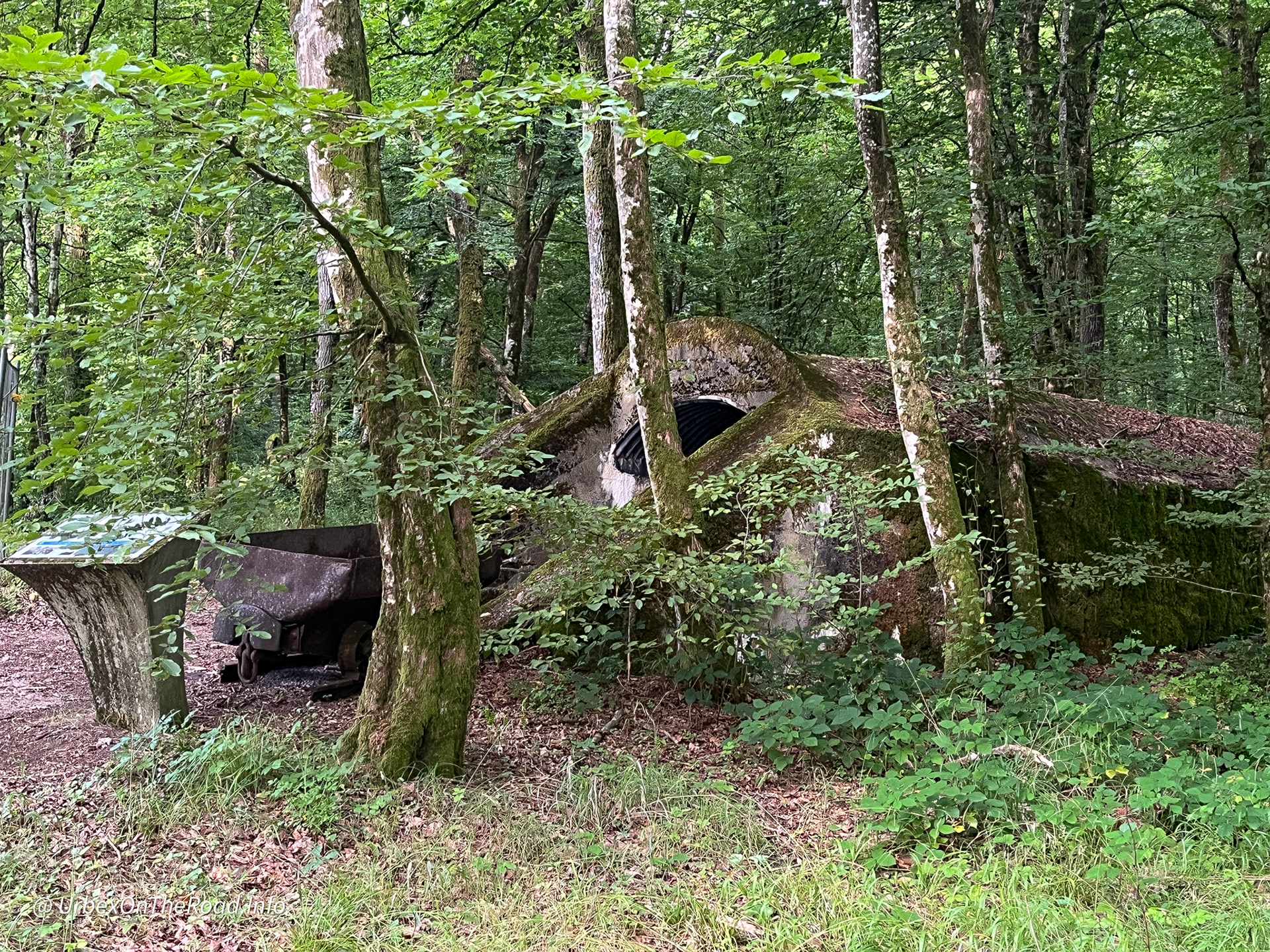
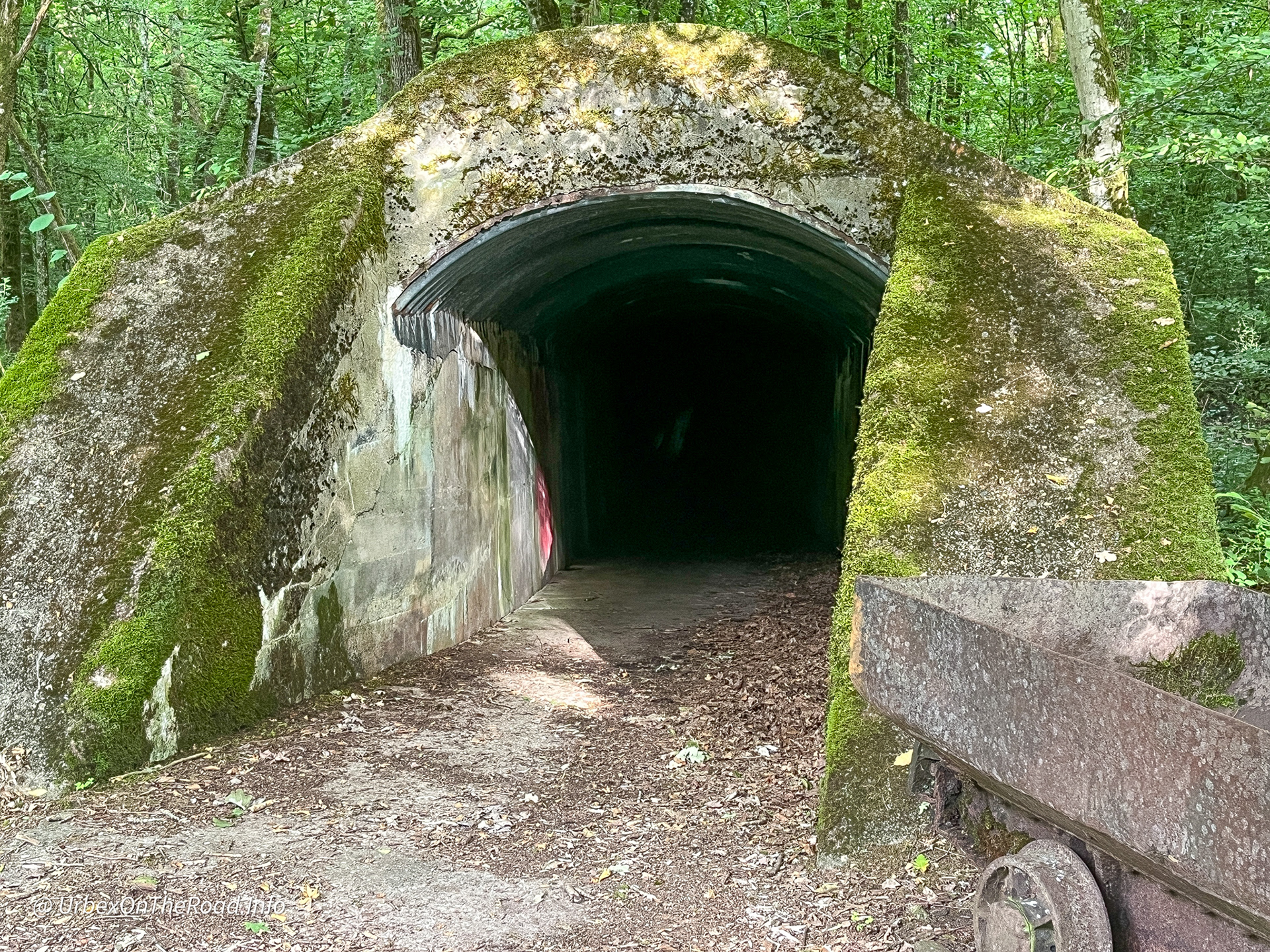
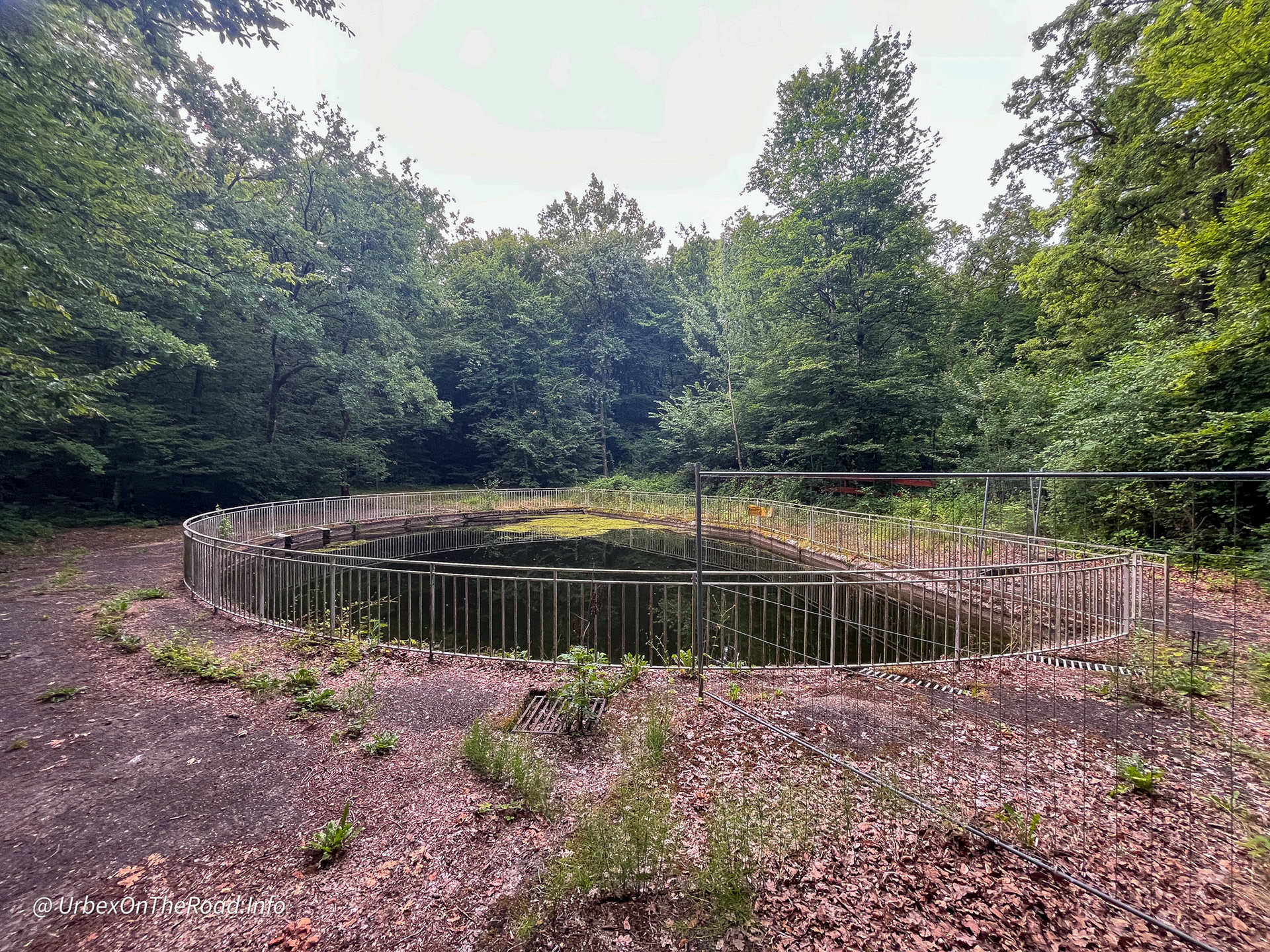
De enorme betonnen geschutsput die je daar hebt gezien is ongeveer 23 meter in diameter en 4 meter diep. Rond de stelling lagen ondergrondse ruimtes en munitietunnels. De Duitsers camoufleerden het geheel zorgvuldig tegen Franse luchtverkenning. Op 1 oktober 1915 om 15.30 uur: het kanon vuurde toen zijn eerste granaat richting Verdun.
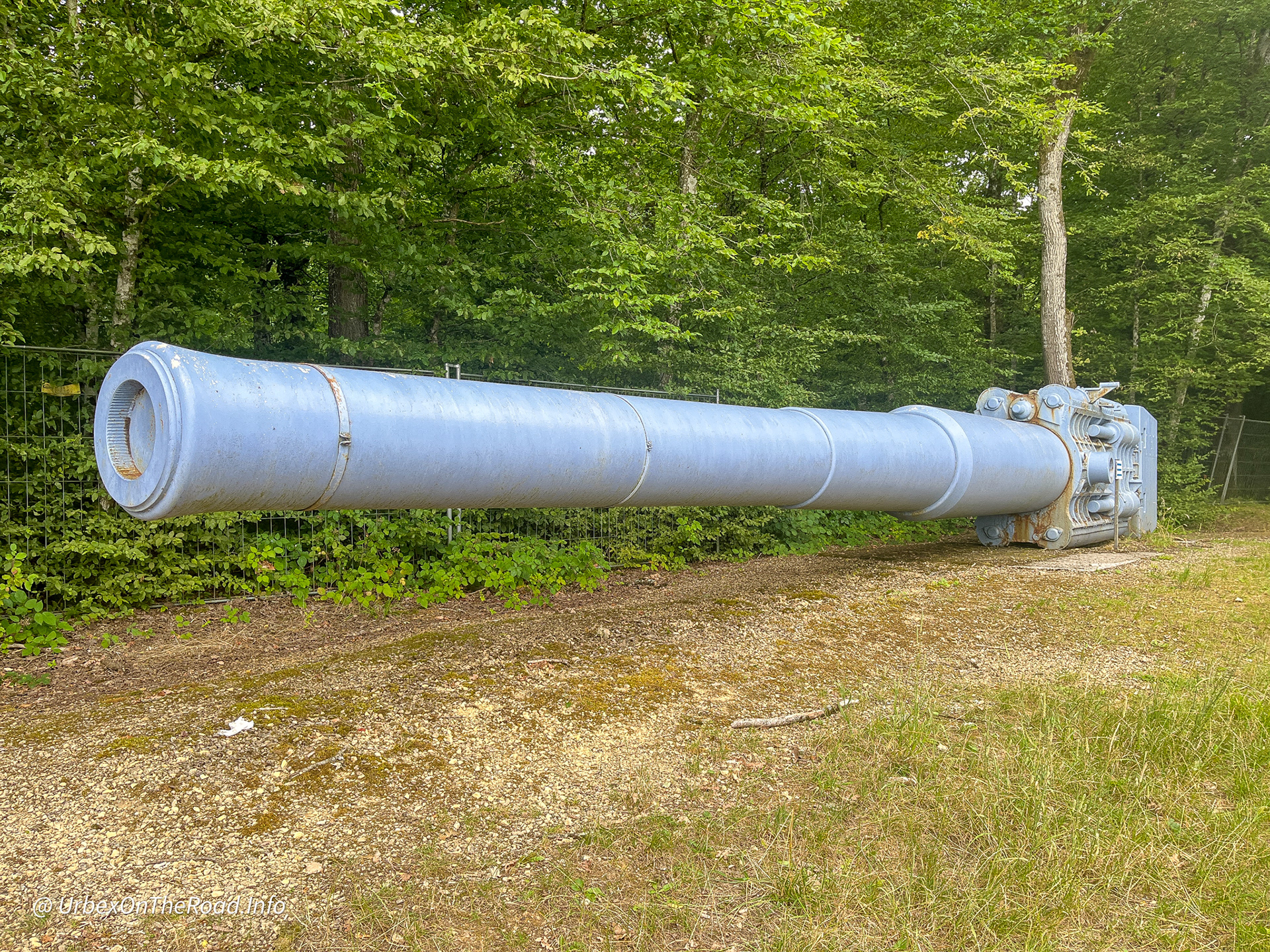
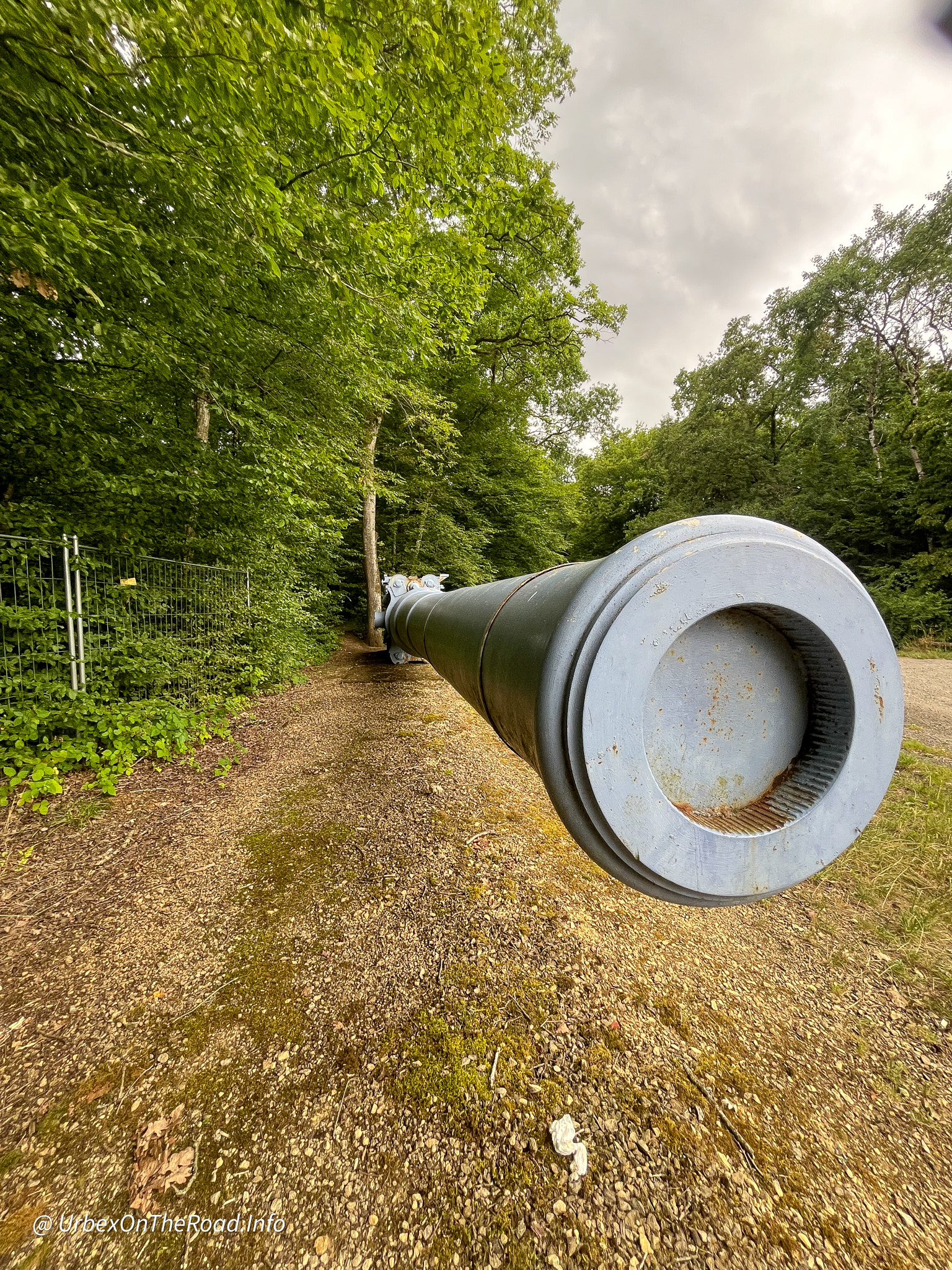
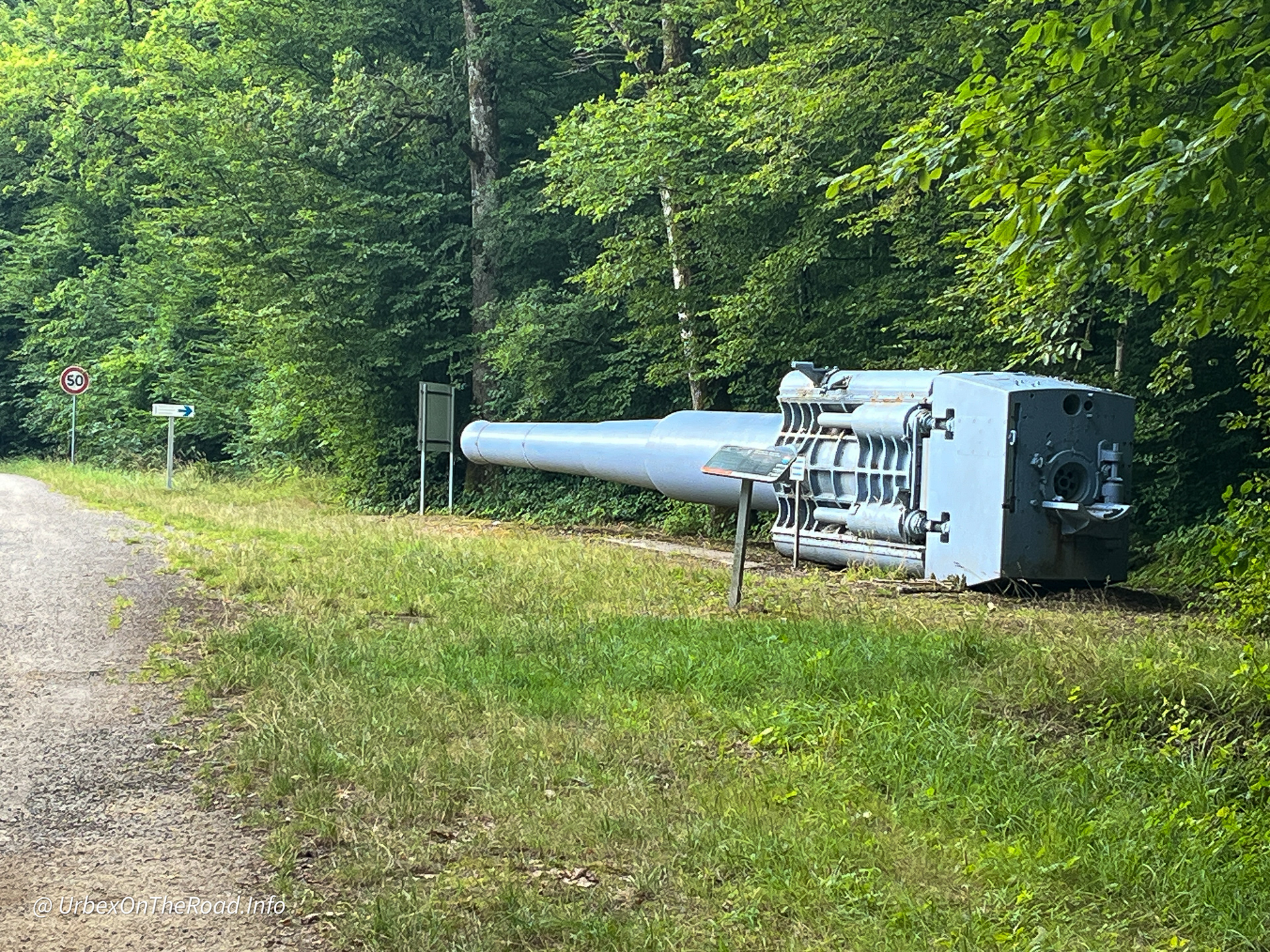
Het grote kanon dat tegenwoordig naast de stelling ligt, is niet de oorspronkelijke Duitse “Max”. Het betreft een Frans 305 mm marinekanon uit 1916, dat in 2014 op deze historische locatie werd geplaatst als herinnering aan het oorspronkelijke zware geschut.
🇬🇧 English : During the First World War, the Germans built a heavy artillery position here. The original weapon was a 38 cm SK L/45, manufactured by Krupp and originally designed as a naval gun. The battery became operational in 1915 and was capable of firing from Duzey at targets around Verdun.
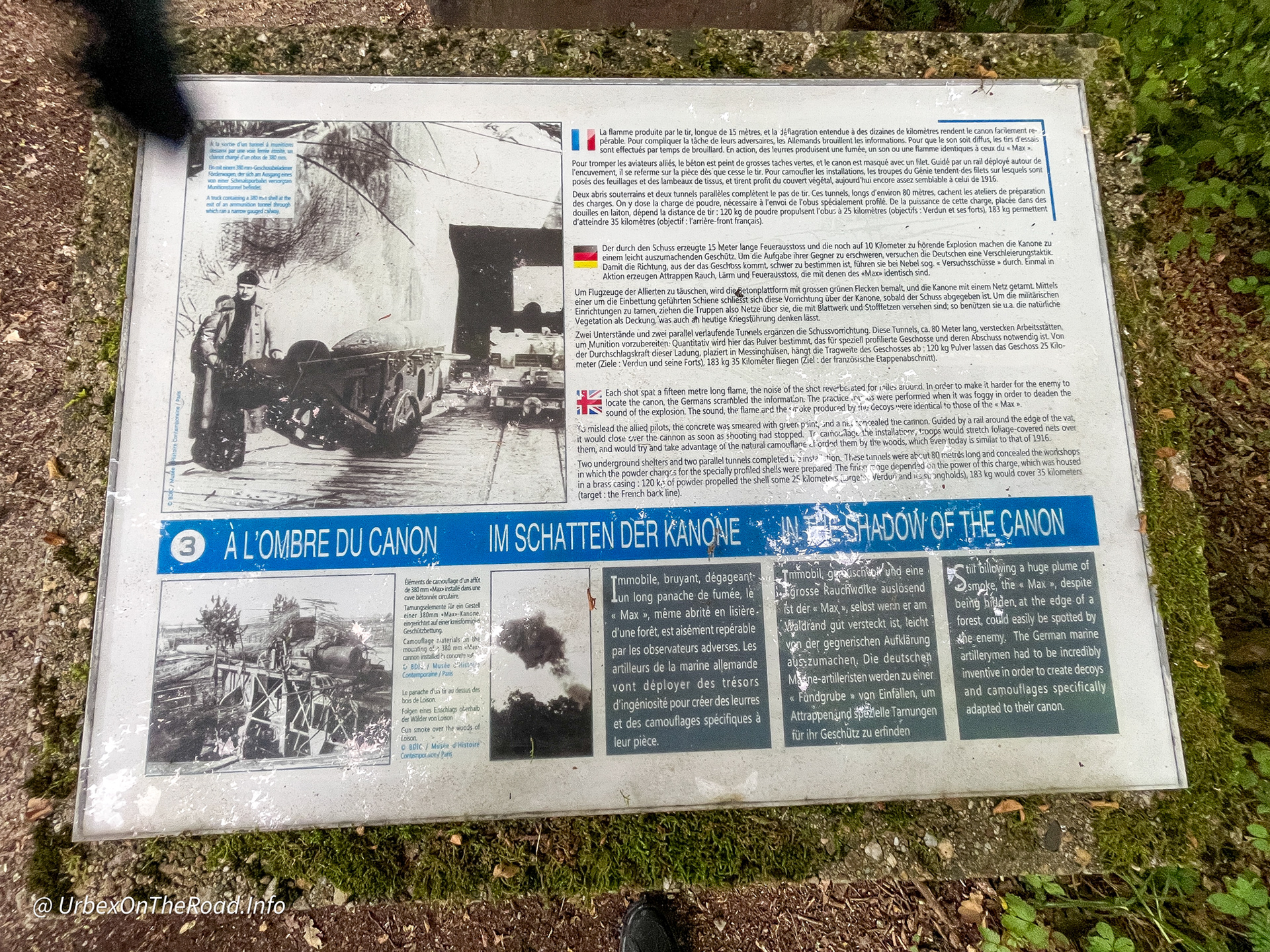
The enormous concrete gun emplacement is approximately 23 metres in diameter and 4 metres deep. Underground rooms and ammunition tunnels were located around the position. The Germans carefully camouflaged the site to protect it from French aerial reconnaissance.
On 1 October 1915 at 3:30 PM, the gun fired its first shell towards Verdun.
The large gun that can be seen beside the emplacement today is not the original German “Max”. It is a French 305 mm naval gun dating from 1916, which was placed at this historic site in 2014 as a reminder of the original heavy artillery.